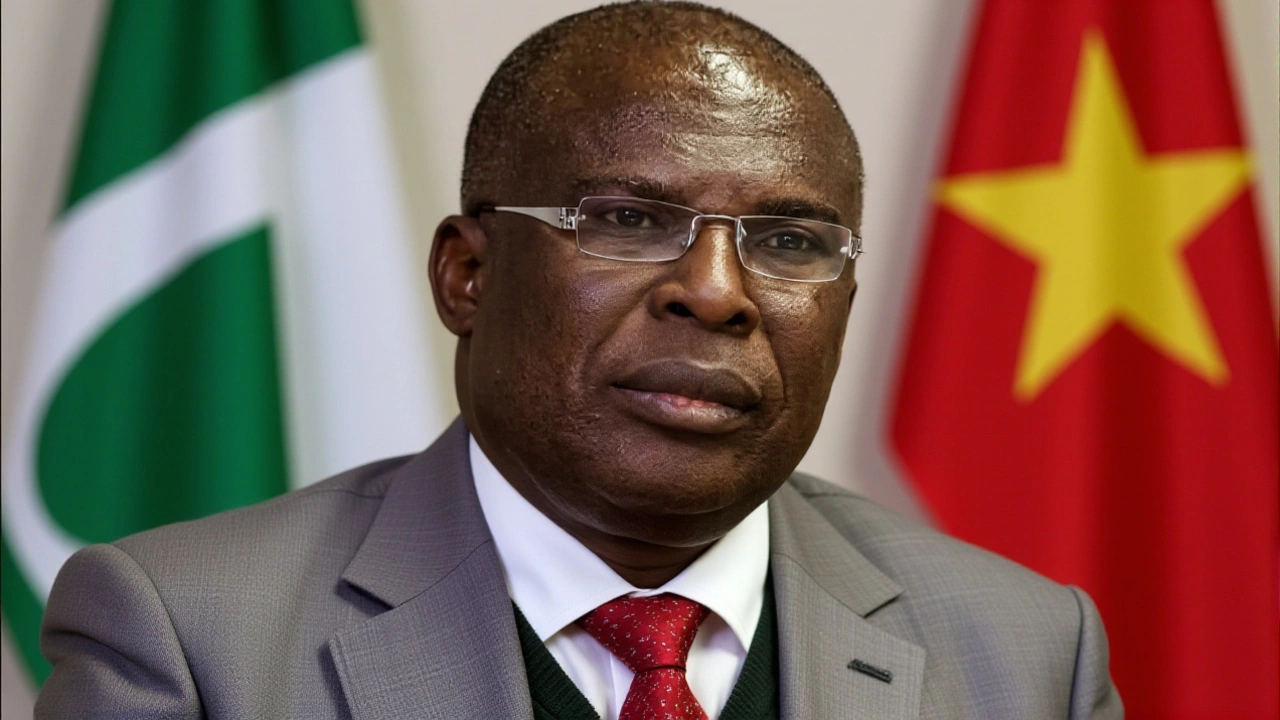
Timipre Sylva: Nigerian Politician and Delta State Governor
Timipre Sylva, a Nigerian politician who served two terms as governor of Delta State and remains a central figure in the People's Democratic Party (PDP). Also known as Timipre Sylva of Delta State, he rose to power during a time when oil-rich regions in Nigeria demanded stronger local leadership and accountability. His name comes up often when people talk about how state governments manage oil revenues, handle elections, or navigate party politics in the Niger Delta.
Timipre Sylva’s leadership overlaps with major shifts in Nigerian governance — from the return to democracy in 1999 to the rise of anti-corruption watchdogs and the growing pressure on state governors to deliver basic services. He’s been involved in high-stakes political battles, including disputes over election results and legal challenges that tested the limits of state authority. His time in office saw infrastructure projects, but also criticism over transparency and patronage networks. He’s not just a governor — he’s a political operator who understands how to build alliances, survive party infighting, and stay relevant across multiple administrations.
Related figures like Akinwunmi Ambode, a former governor of Lagos State known for fiscal discipline and urban reform, and Peter Obi, a former governor of Anambra State whose grassroots campaign reshaped Nigerian political expectations show how regional leadership in Nigeria can vary widely. While Ambode focused on Lagos’s urban systems and Obi on anti-corruption messaging, Sylva’s legacy is tied to oil politics, party loyalty, and the complex balance of power in the Niger Delta. His decisions affected everything from local fishermen to international oil companies operating in his state.
What you’ll find here isn’t just news about Timipre Sylva — it’s a collection of stories that show how one man’s political journey reflects bigger forces in African governance: the tension between local control and federal oversight, the role of money in elections, and how leadership in resource-rich regions is both celebrated and scrutinized. These posts don’t just report on him — they connect him to the systems he operates within, the people he influenced, and the political landscape that shaped his career.