
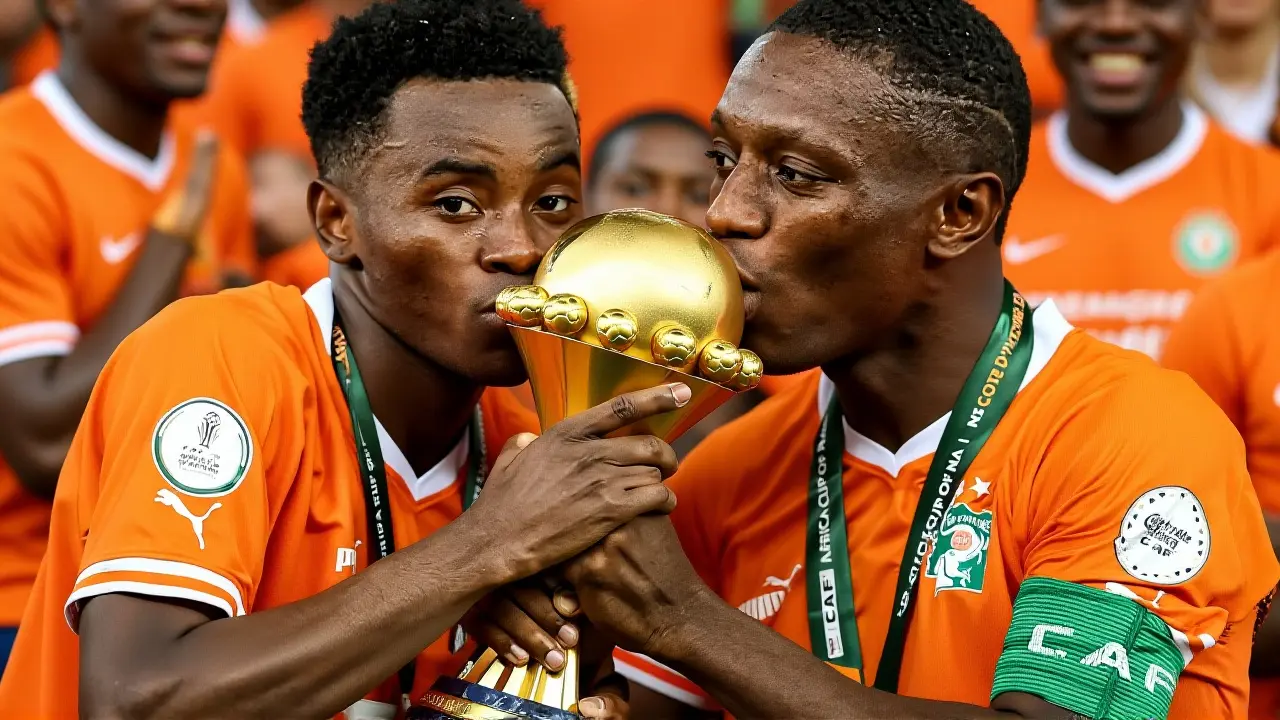
The football calendar took a rare leap forward this year, pushing the biggest African trophy onto the winter schedule for the first time ever. The TotalEnergies CAF Africa Cup of NationsMorocco kicked off on Sunday, December 21, 2025, turning Christmas week into prime match-viewing territory. For fans across the continent, seeing international stars play during the holidays rather than mid-year changes the whole vibe of the global game.
Originally set for summer, the tournament shifted due to a direct clash with the expanded FIFA Club World Cup. That scheduling conflict forced the hand of officials at Confédération Africaine de Football. Now, with 24 nations locked into six groups, the competition ran through New Year’s Eve and wrapped up by mid-January. It was a logistical marathon, but the football on the pitch delivered exactly what the draw promised.
Why the Holiday Shift Matters
Most continental tournaments happen in January or March. Moving this to late December was bold. But it cleared the decks for the clubs. Players could enjoy the break, then report back to training after the final whistle on January 18. Interestingly, this mirrors how European leagues handle international breaks, giving domestic clubs more stability around the festive period.
The host nation felt the pressure immediately. Morocco was automatically slotted into Group A. They opened the show against Comoros on that opening Sunday. The hosts didn't leave much to chance, securing a clean 2-0 victory to send them off on the right foot early in the month.
Group Stage Breakdown and Key Results
The preliminary phase saw intense battles across all six groups. In Group A, Mali and Zambia kept things competitive with a 1-1 draw, while Morocco later drew 1-1 with Mali before eventually beating Zambia 3-0 in the final round. Group B had its moments, too, with South Africa edging Zimbabwe 2-1 and Egypt taking advantage of a defensive error to secure points.
Then there was Group C, which turned into a mini-cup final between Nigeria and Tanzania. The Green Eagles won 2-1 in their opener, setting the tone for a tough qualifying push. Over in Group D, Senegal showed why they're perennial contenders, blanking Botswana 3-0. DR Congo also made their presence known with a narrow win over Benin.
The action wasn't just about the heavyweights. Smaller nations like Uganda and Mozambique created plenty of drama. In Group F, Mozambique actually stunned Gabon with a 3-2 victory, proving that seeding doesn't always predict outcomes on match day.
Star Power: Salah and Defending Champions
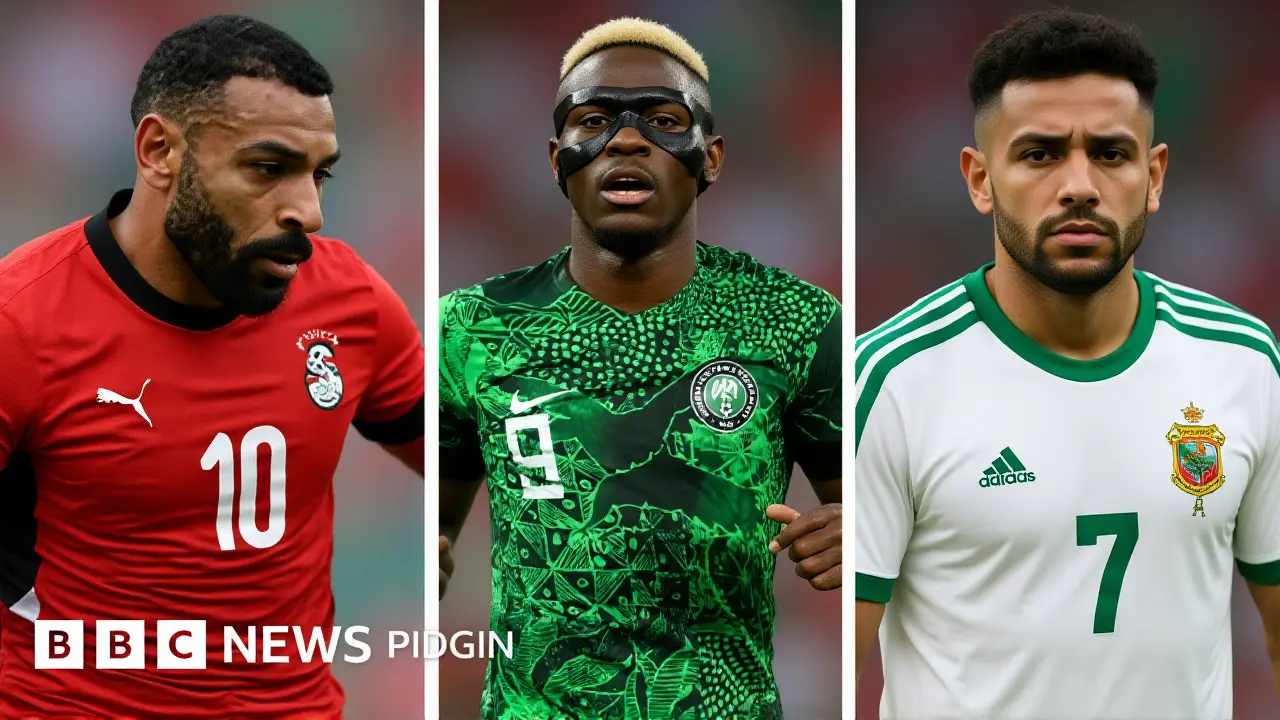
You can't talk about an African tournament without mentioning the headline acts. Mohamed Salah Egypt Captain carried expectations for his national side throughout the group stages. While he featured prominently, Egypt faced a tricky mix including Angola and Zimbabwe, testing their cohesion away from the spotlight.
Meanwhile, the title holders came looking for a repeat performance. Ivory Coast entered as defending champions after their dramatic comeback win over Nigeria in February 2024. In this 2025 edition, they started slowly but found their rhythm in Group F, drawing 1-1 with Cameroon before beating Mozambique. Gabon also gave them a scare in their second fixture.
Venues and Infrastructure in Morocco
Holding a tournament in December meant leveraging Morocco's climate advantage. Matches were played across multiple venues, utilizing stadiums that double as hubs for local culture. Kick-off times were standardized in GMT to help global audiences tune in. It wasn't just about the games; it was about showcasing the country's readiness to host mega-events, following their recent successful runs in other competitions.
The atmosphere was electric, particularly on Friday nights when matches aligned with weekend viewing habits. The TotalEnergies branding dominated the visuals, signaling the commercial scale of the operation compared to previous years.
Pathway to the Final Four
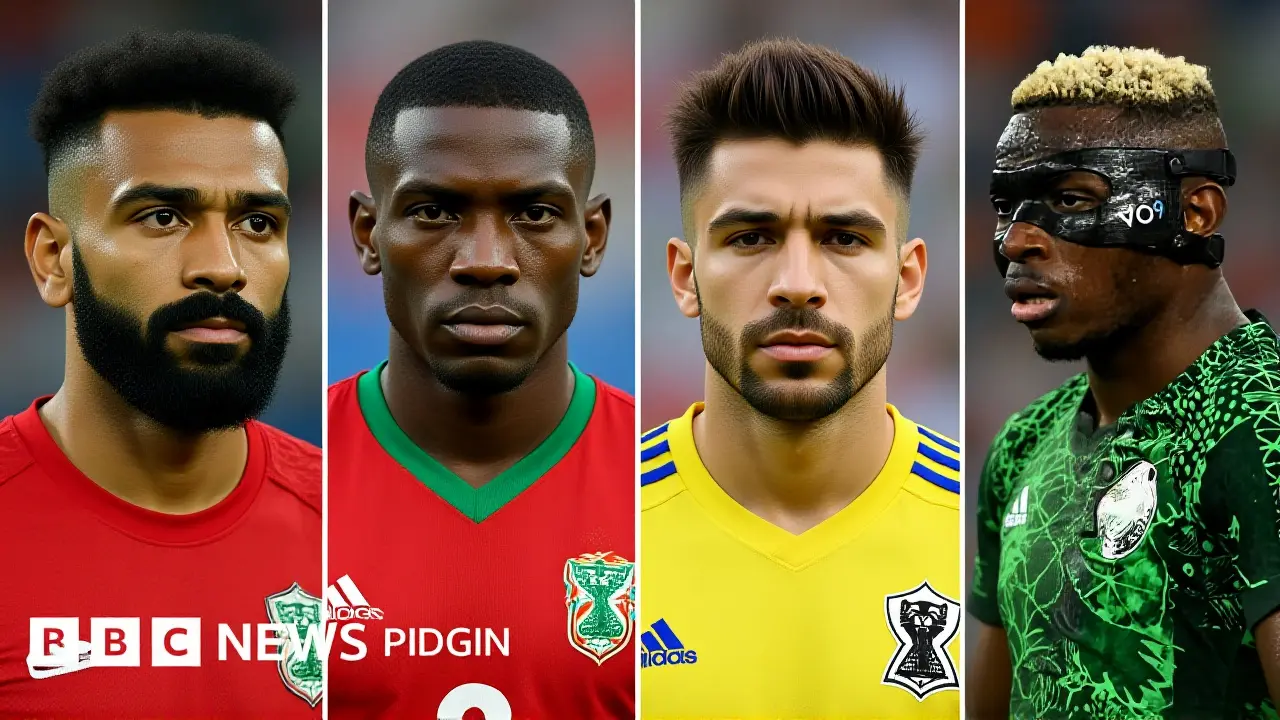
With the group stage concluded by December 31, the bracket tightened up significantly. Qualification rules remained standard: top two from each group plus the three best third-place teams moved to the Round of 16. Algeria, Burkina Faso, and Tunisia were among the notable sides securing spots in the knockout phase.
As we head toward the semi-finals scheduled for January, the narrative has shifted from survival to supremacy. The final on January 18 will decide who lifts the trophy, likely ending with either a North African powerhouse or one of the established West African giants. Only time will tell if the winter schedule helped elevate the quality of play or just added a festive twist to the traditional drama.
Frequently Asked Questions
When did AFCON 2025 take place?
The tournament ran from Sunday, December 21, 2025, concluding on Sunday, January 18, 2026. This marked a significant shift from the usual January/March window to accommodate the new FIFA Club World Cup schedule.
Which teams qualified for the knockout stages?
Qualification depended on finishing in the top two spots of each of the six groups, or being one of the three best third-place finishers. Teams like Senegal, Morocco, and Ivory Coast secured early passage.
Who were the defending champions?
Ivory Coast entered the 2025 tournament as reigning champions, having defeated Nigeria in the 2023 final which was played in February 2024. They carried the pressure of retaining their title into this edition.
What caused the schedule change to December?
The primary driver was a scheduling conflict with the newly expanded FIFA Club World Cup, which occupied the June and July slots previously available for AFCON, forcing CAF to move the competition to the holiday period.
Danny Johnson
March 27, 2026 AT 14:43Seeing the tournament move to winter definitely changes the landscape for everyone involved. The players get a fresh break before the next club season starts up again. It feels like a smart move considering how crowded the summer calendar has become recently.
Cheryl Jonah
March 29, 2026 AT 13:59They moved it specifically to disrupt the usual flow of power structures within the league. You have to wonder why the timing aligns perfectly with other global financial shifts.
Jason Davis
March 31, 2026 AT 13:36I think its gonna be realy lit for the fans to watch during christmas. The vibe shuld be amzing since evryone is home on holliays.
Crystal Zárifa
March 31, 2026 AT 15:59Sure it sounds festive but does anyone actually want to watch sports while eating turkey? It seems like forcing the holiday spirit onto people who just want to relax.
Serena May
April 2, 2026 AT 03:52Whatever. 🙄
Christine Dick
April 3, 2026 AT 23:58The lack of planning is evident. It is irresponsible. They should not have done this. The fans deserve better!
Bryan Kam
April 4, 2026 AT 11:33You're taking it too seriously. It's just a game.
Sumit Prakash Gupta
April 5, 2026 AT 00:12The macroeconomic impact of this calendar realignment cannot be overstated.
We are seeing a significant pivot towards commercial optimization.
Stakeholders have clearly prioritized broadcast rights over traditional rhythms.
The alignment with club cycles creates necessary synergy.
Winter tourism potential in Morocco gets a massive boost here.
Infrastructure development accelerates when demand concentrates.
Global fan engagement metrics likely see substantial uplift.
Domestic leagues suffer less disruption with this staggered approach.
Player workload management benefits from the climate conditions.
Recovery periods extend naturally during colder months.
Broadcast windows avoid major conflict with Euro leagues.
Sponsorship activation becomes more focused on holiday periods.
Ticket sales dynamics shift towards weekend viewing habits.
Security protocols can be tightened due to lower crowd dispersal.
The strategic vision demonstrates a mature understanding of market forces.
Ultimately the model sets a precedent for future continental events.
This ensures sustainable growth for all parties involved.
Anthony Watkins
April 5, 2026 AT 11:27Too much corporate jargon here man. They just want the money. Stop acting like you know everything.
Cheri Gray
April 6, 2026 AT 01:43Morocco showed such great orginization skills. They made thier stadiums look brillant for the big games.
raja kumar
April 7, 2026 AT 18:08Organization is one thing but accuracy matters too. Spelling errors detract from the professional image slightly
James Otundo
April 8, 2026 AT 06:30Salah carrying Egypt again is becoming a bit tiresome honestly. We expect more depth than just one star player leading the charge.
Jullien Marie Plantinos
April 8, 2026 AT 16:28Stop complaining about Salah! He is amazing! Every other team wishes for his talent. You are just jealous!
UMESH joshi
April 10, 2026 AT 11:49The broader picture is about unity among the nations regardless of individual performers. Progress is slow but steady.
Jane Roams Free
April 12, 2026 AT 04:39That is a wonderful perspective to have on international competitions. Everyone works hard for these moments.
Andrea Hierman
April 12, 2026 AT 07:22Ultimately the scheduling reflects a changing world where tradition bends to necessity. It is both fascinating and exhausting.