
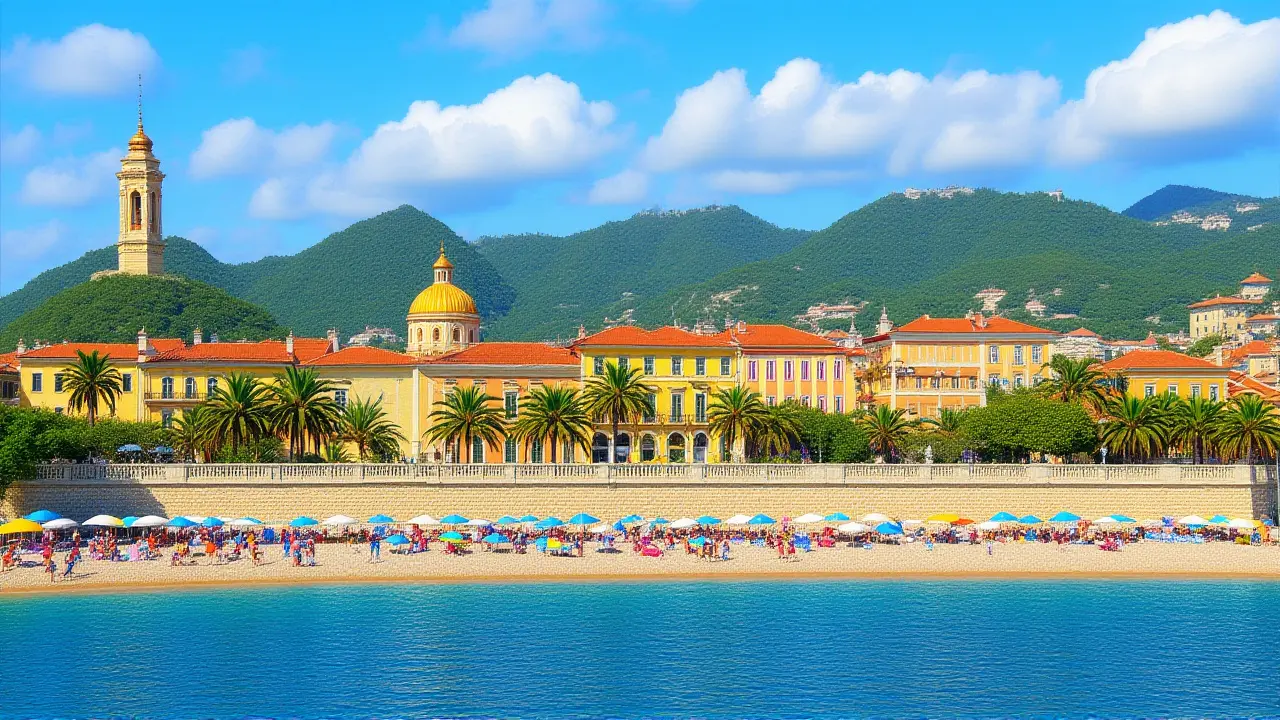
There's a growing debate rippling through travel forums and blogs about where to spend your summer on the French Riviera. While some headlines suggest skipping Marseille for Nice, the reality on the ground tells a more nuanced story. Recent discussions highlight that Marseille is far from being a place to avoid; instead, it’s emerging as a top destination for travelers seeking authenticity and value.
The notion that you should "skip Marseille" often stems from outdated stereotypes or misinterpreted safety data. In fact, recent analyses point out that while Marseille has a reputation for danger, crime is largely concentrated in non-tourist areas. For visitors sticking to popular zones like the Vieux-Port or the Corniche, the experience is generally safe and vibrant.
The Authenticity Factor
Here’s the thing: Marseille isn’t trying to be Paris or Rome. It’s its own beast. Travelers increasingly cite Two Sisters Abroad’s analysis, which notes that Marseille offers an authenticity that polished capitals lack. The city’s diverse Franco-North African population creates a cultural tapestry that feels alive and unscripted.
Unlike the manicured boulevards of other European hubs, Marseille pulses with energy. You’ll find bustling markets, street food vendors selling fresh bouillabaisse, and neighborhoods that feel lived-in rather than curated for tourists. This raw charm is exactly why many modern travelers are choosing Marseille over the more predictable options.
Safety and Security Measures
Safety concerns are valid, but they’re often exaggerated. The French government maintains Operation SentinelleFrance, a military-style policing initiative that ensures high visibility in tourist-heavy areas. This means that while you might see armed soldiers patrolling near major attractions, it’s a deterrent against terrorism and serious crime, not a sign that the city is unsafe.
In contrast, Nice—while beautiful—can feel more sterile and expensive. The security presence there is less overt, but the cost of living and tourism is significantly higher. For budget-conscious travelers, Marseille offers better value without compromising on safety in key areas.
Natural Beauty and Attractions
Marseille isn’t just about urban culture; it’s a gateway to stunning natural landscapes. Allie Marie Travels highlights the city’s unique geography: perched on the sea and surrounded by mountains, it offers dramatic scenery that rivals any coastal destination. Beaches like Plage de la Pointe Rouge and Plage du Prophète provide crystal-clear waters and relaxed vibes.
Then there’s Les Calanques, a national park featuring jagged limestone cliffs plunging into turquoise bays. Hiking here is a bucket-list experience for many. Meanwhile, Nice offers lovely beaches too, but they’re often crowded and pricey. Marseille’s natural assets are more rugged, wild, and free-spirited.
Cost Comparison: Value for Money
Let’s talk numbers. A hotel room in Nice during peak summer can easily cost twice as much as a comparable stay in Marseille. Dining out follows the same pattern. In Marseille, you can enjoy a three-course meal with wine for under €25, whereas in Nice, expect to pay closer to €40–€50 for similar quality.
This affordability doesn’t mean lower standards. On the contrary, Marseille’s culinary scene is world-class, thanks to its Provençal roots and Mediterranean influences. From fresh seafood to hearty stews, the food is affordable, delicious, and deeply rooted in local tradition.

What Experts Are Saying
Travel experts are taking notice. Sheer Luxe describes Marseille as France’s second-largest city and the true gateway to Provence. They recommend Les Calanques and Catalan Beach as must-see spots, emphasizing the city’s blend of urban sophistication and natural beauty.
Even The Nerd Traveler, who visited during the August 2024 Olympic period, found Marseille worth exploring despite the crowds. The event brought international attention to the city, showcasing its infrastructure and hospitality capabilities.
Future Trends in Riviera Tourism
As overtourism becomes a concern in places like Venice and Barcelona, travelers are seeking alternatives that offer richness without the hassle. Marseille fits this bill perfectly. It’s large enough to handle influxes but small enough to retain its character. Plus, its proximity to both Italy and Spain makes it an ideal base for multi-country trips.
Nice remains a classic choice, especially for luxury seekers. But for those wanting depth, diversity, and deal-friendly pricing, Marseille is hard to beat. The shift isn’t sudden—it’s gradual, driven by word-of-mouth and authentic experiences shared online.
Frequently Asked Questions
Is Marseille safe for tourists?
Yes, tourist areas in Marseille are generally safe. Crime is mostly confined to non-touristy neighborhoods. Operation Sentinelle provides additional security in popular zones, ensuring peace of mind for visitors.
Why do people say to skip Marseille?
Some travelers avoid Marseille due to outdated stereotypes about safety or cleanliness. However, recent reports show significant improvements, and many now praise its authenticity and affordability compared to other Riviera cities.
How does Marseille compare to Nice in terms of cost?
Marseille is notably cheaper than Nice. Accommodation, dining, and activities tend to cost 30–50% less, making it a better option for budget-conscious travelers without sacrificing quality or experience.
What are the best things to do in Marseille?
Top activities include hiking in Les Calanques, relaxing at Plage de la Pointe Rouge, exploring the historic Vieux-Port, and enjoying traditional Provençal cuisine. The city also serves as a great base for day trips to nearby islands.
Are there any risks traveling to Marseille?
Like any major city, petty theft can occur. Stick to well-lit, populated areas, keep valuables secure, and avoid isolated neighborhoods at night. Overall, risk levels are low for typical tourist itineraries.